

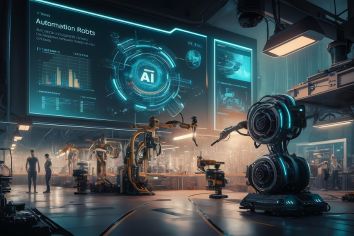
AI automation is transforming the way modern businesses operate. Instead of relying on repetitive manual work, organizations can use artificial intelligence to automate processes, improve efficiency, and manage operations with greater accuracy.
AI-powered automation systems are designed to handle tasks that normally require human time and effort. From managing customer interactions to processing data and running workflows, AI automation allows businesses to operate faster and more efficiently. By implementing intelligent automation, companies can streamline their operations, reduce errors, and create more scalable systems that support long-term growth.
AI Workflow Automation:
Workflow automation powered by artificial intelligence helps businesses organize and streamline internal operations. Many organizations spend significant time on repetitive processes such as approvals, document handling, task assignments, and internal reporting.
AI workflow automation simplifies these processes by automatically managing tasks and ensuring that work moves smoothly between different stages. This reduces delays, eliminates unnecessary manual steps, and improves overall productivity.
AI Chatbots and Conversational Automation:
AI chatbots are one of the most widely used forms of automation in modern businesses. These intelligent systems are capable of communicating with customers, answering common questions, and guiding users through different processes.
Conversational AI can handle customer inquiries through websites, messaging platforms, and mobile applications. These systems are available 24/7, ensuring that customers receive immediate responses without waiting for human support.AI chatbots can assist with tasks such as answering product questions, collecting customer information, booking appointments, and providing basic troubleshooting support.
AI Data Processing and Analysis:
Businesses generate large volumes of data every day, including customer information, operational records, and market insights. Manually analyzing this data can be time-consuming and inefficient.
AI automation systems can process and analyze large datasets quickly and accurately. By identifying patterns, trends, and anomalies within the data, AI tools can provide valuable insights that support better decision-making.Automated data analysis allows organizations to monitor performance, understand customer behavior, and identify opportunities for improvement without spending excessive time on manual research.
AI Marketing Automation:
Marketing activities often involve multiple repetitive tasks such as managing email campaigns, tracking leads, segmenting audiences, and delivering personalized messages.AI-powered marketing automation helps streamline these processes by automatically managing communication with potential customers. It can analyze user behavior, predict customer interests, and deliver targeted marketing messages at the right time.
By automating marketing workflows, organizations can maintain consistent communication with their audience while reducing manual workload.
AI Business Process Automation:
AI automation can also be applied to broader business operations across different departments. Business process automation involves using intelligent systems to manage tasks that are normally performed manually within daily operations.
This can include handling customer requests, organizing internal documentation, processing transactions, and coordinating communication between different teams.AI-driven systems help ensure that these processes operate smoothly and efficiently. By minimizing human intervention in repetitive tasks, businesses can improve accuracy and maintain consistent operational performance.
Benefits of AI Automation:
Implementing AI automation offers several operational advantages for businesses of all sizes. By reducing the need for manual intervention in routine tasks, organizations can operate more efficiently and focus their resources on higher-value activities.
Automation systems can operate continuously without interruptions, allowing businesses to maintain consistent service and operational performance. Additionally, AI automation supports scalability, making it easier for companies to manage increasing workloads without significantly expanding their workforce.